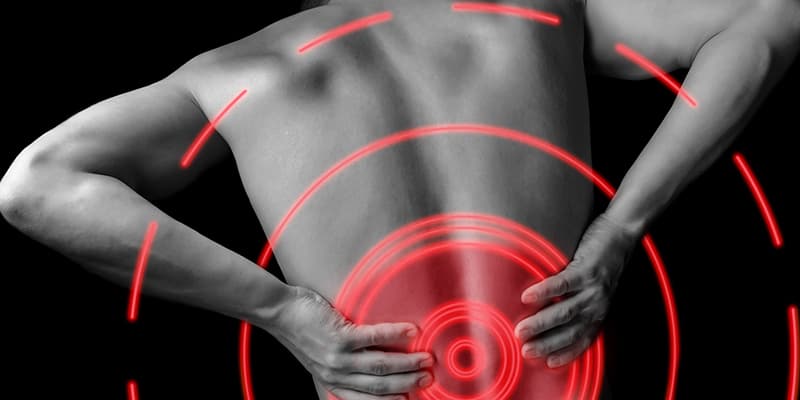

Recognizing When Numbness and Back Pain Are Not “Normal”
Everyone deals with back pain now and then, whether from yardwork, travel, or just an awkward night’s sleep. But when back pain starts showing up alongside numbness, tingling, or burning that travels down the leg, it usually means something more specific is going on.
That combination often points to sciatica, and while it can often be managed conservatively, some symptoms deserve prompt attention. At Chiro-Med Health & Wellness Centers, we help people in Orland Park understand what is causing their leg and back symptoms so they can get the right care, which may include spinal decompression, instead of just waiting and hoping it fades.
What Sciatica Really Is and How It Affects Your Body
The sciatic nerve is the largest nerve in the body. It starts in the lower back, runs through the buttock, and travels down the back of each leg. When something irritates or compresses this nerve, it can cause pain, numbness, or weakness anywhere along that path.
Common causes of sciatica include:
- Herniated or bulging discs pressing on nerve roots
- Spinal misalignment affecting nearby joints and nerves
- Spinal stenosis, or narrowing of the spaces around the nerves
- Tight hip or buttock muscles irritating the nerve
- Injuries affecting the low back or pelvis
It is important to understand that sciatica is a symptom, not a disease on its own. Finding the actual cause behind it is what allows for effective, targeted care.
Red Flag Symptoms You Should Never Ignore
Typical sciatica symptoms include sharp, electric, or burning pain that travels down the leg, pins-and-needles sensations, and numb patches or a leg that feels like it is “asleep.” Many people also notice pain that is worse with sitting, coughing, or bending, along with weakness standing on their toes or heels and reduced flexibility in the low back or hips.
Certain symptoms are red flags that should never be ignored. Seek prompt evaluation if you experience:
- Sudden, severe pain unlike anything you have felt before
- Quickly worsening weakness in the leg or foot
- Trouble standing, walking, or maintaining your balance
- Changes in bladder or bowel control
These signs can point to a more serious problem and should be evaluated right away rather than waiting to see if they improve on their own.
How Chiropractors Diagnose the Source of Sciatica Pain
Getting real relief starts with an accurate diagnosis, not just a label. We begin with a detailed conversation about your health history, when your symptoms started, and how they affect your daily life.
From there, a hands-on movement exam typically includes:
- Posture and gait assessment to see how you stand and walk
- Orthopedic tests, such as specific leg-lifting maneuvers, to stress the nerve
- Neurological checks for reflexes, sensation, and muscle strength
When appropriate, imaging like X-rays or an MRI may be used to get a clearer picture of the spine. The goal of this process is pinpointing the specific structures involved, whether that is a disc, a joint, or a tight muscle, rather than simply naming the pain “sciatica” and stopping there.
Non-Surgical Relief Options Including Spinal Decompression
Once we understand what is driving your symptoms, we can build a non-surgical plan around it. Chiropractic adjustments are used to help restore proper alignment and take pressure off irritated nerves and joints.
For many people, spinal decompression is a valuable addition. This therapy uses a motorized table to apply controlled traction to the spine. It is designed to create negative pressure within the discs, which may help reduce pressure on nearby nerves, encourage herniated disc material to retract, and promote better fluid and nutrient exchange in the disc.
This is often combined with core and hip strengthening exercises, soft tissue work to ease tight muscles around the nerve, and posture guidance to help protect your back during daily activities.
When to Consider Spinal Decompression for Sciatica
Spinal decompression tends to work best for herniated or bulging discs, degenerative disc changes, and chronic pain that has not improved with rest or basic home care. Sessions are generally comfortable, involving gentle pulls and releases over a series of visits across several weeks.
Spinal decompression is not recommended for everyone. It is typically avoided for certain spinal fractures, severe osteoporosis, and some prior spinal surgeries. Your history and any available imaging are reviewed carefully before this therapy is recommended, so it fits safely with your specific spine.
Taking the Next Step Toward Pain-Free Movement
Leg numbness and back pain together are your body’s way of asking for a closer look, not something to simply push through. The sooner the real source of your symptoms is identified, the sooner you can start a plan that actually addresses it instead of just masking the pain.
If you have been living with sciatica symptoms for more than a week, or they keep returning whenever you are active, it is worth having them evaluated. At Chiro-Med Health & Wellness Centers, we build care plans around your specific spine so you can get back to moving, working, and enjoying your life in Orland Park with confidence.
Do Not Ignore Leg Numbness and Back Pain
If numbness, tingling, or pain down your leg is not going away, our team can help you find the real cause and the right non-surgical care. To schedule your visit, simply contact us today.
Written by
Eric Miller
Chiropractor at Chiro-Med Health & Wellness Centers in Orland Park, IL, helping patients find lasting relief through personalized, drug-free care.